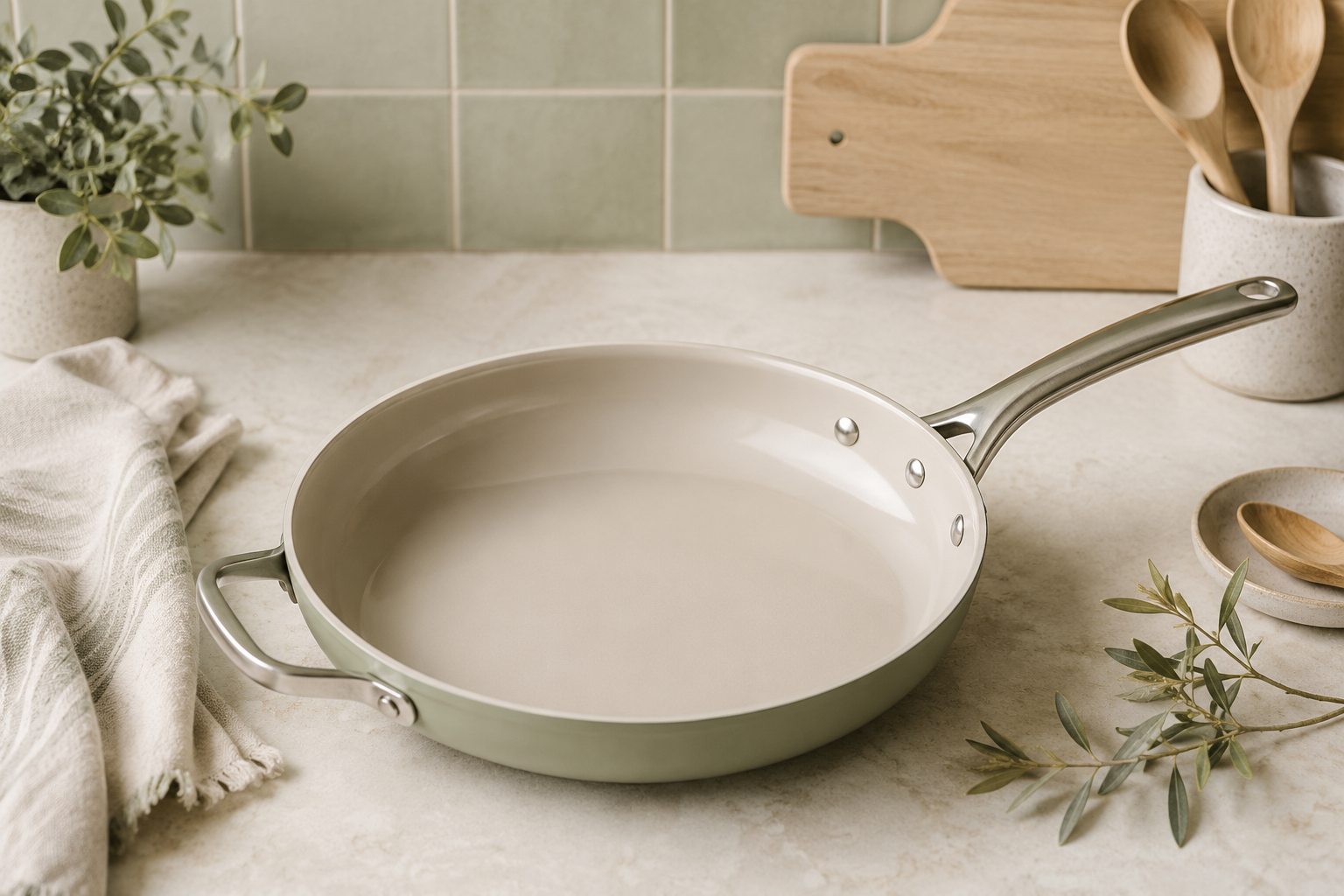
The Best Non-Toxic Pans: My Favorite Cookware Swaps After Cancer
This post may contain affiliate links. As an Amazon Associate, I earn from qualifying purchases at no additional cost to you.
After my cancer diagnosis, I started paying much closer attention to the products I used every day, especially in my kitchen. While no single product determines our health, reducing unnecessary exposure to questionable materials gave me peace of mind and helped me create a healthier home for my family.
One of the first things I replaced was my cookware.
If you’re looking for non-toxic pans, here are the types I recommend and use in my own kitchen.
In This Article
- Why I Switched My Cookware
- Stainless Steel
- Ceramic Nonstick
- Cast Iron
- Enameled Cast Iron
- My Top Recommendations
Why I Stopped Using Traditional Nonstick Pans
Many traditional nonstick pans use PTFE-based coatings. While modern cookware has improved significantly, some people choose alternatives like stainless steel, cast iron, or ceramic cookware for durability and peace of mind.
For me, switching cookware was one of the simple changes I made after cancer.
Many people choose to switch to alternative cookware materials because they are more durable and don’t rely on a synthetic nonstick coating.
You don’t have to throw everything away overnight, but when it’s time to replace a pan, these are the options I recommend.
1. Stainless Steel: My Top Recommendation
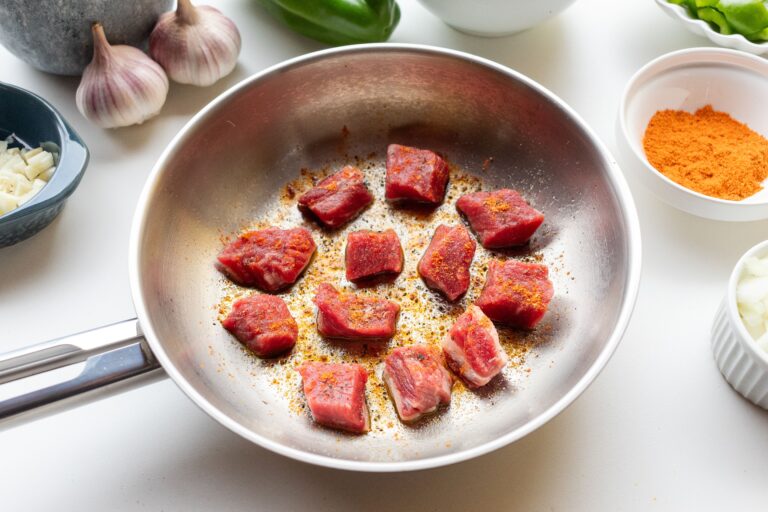
If I could only own one type of cookware, it would be stainless steel.
Why I Love It
✅ No nonstick coating
✅ Extremely durable
✅ Great for everyday cooking
✅ Dishwasher safe
✅ Can last for decades
Stainless steel has a learning curve, but once you learn to preheat the pan properly and use enough cooking fat, food releases surprisingly well. Check out my stainless steel pan tips here.
My Favorite Stainless Steel Pans
2. What About Ceramic Nonstick?
Ceramic nonstick cookware has become a popular alternative to traditional nonstick pans because it does not use PTFE-based coatings (commonly associated with Teflon products).
Why I Like Ceramic Nonstick
✅ Easy food release
✅ Requires less oil for cooking
✅ Simple cleanup
✅ Available at many price points
For eggs, pancakes, and delicate foods, ceramic nonstick can be a convenient option.
What to Know Before You Buy
Ceramic coatings can wear down over time, especially if exposed to high heat, metal utensils, or abrasive cleaning.
To extend the life of ceramic cookware:
- Use low to medium heat
- Avoid metal utensils
- Hand wash when possible
- Replace when the surface becomes worn
My Take
While stainless steel and cast iron are my longest-lasting cookware choices, I still think ceramic nonstick can be a reasonable option for families looking for an easy-to-use alternative to traditional nonstick cookware. I’ve personally used ceramic nonstick cookware for years and love having a pan dedicated to eggs, pancakes, and delicate foods.
The best cookware is the cookware you’ll actually use. Creating a healthier kitchen doesn’t have to be all or nothing.
My Favorite Ceramic Nonstick Pans
GreenLife Ceramic Nonstick Fry Pan (budget-friendly)
3. Cast Iron
Cast iron has been used for generations and remains one of the most durable cookware options available.
Why I Love It
✅ Naturally nonstick when seasoned
✅ Excellent heat retention
✅ Oven safe
✅ Virtually indestructible
A good cast iron skillet can last a lifetime and often becomes better with age.
My Favorite Cast Iron Pan
4. Enameled Cast Iron
If you like the benefits of cast iron but don’t want to deal with seasoning, enameled cast iron is a great alternative.
Why I Love It
✅ Easy to clean
✅ No seasoning required
✅ Beautiful enough to serve from
✅ Excellent for soups, stews, and one-pot meals
My Favorites
Non-Toxic Cookware on a Budget
You don’t need to replace your entire kitchen at once.
If you’re just getting started:
- Replace your most-used frying pan first.
- Choose a quality ceramic nonstick or stainless steel pan.
- Add cast iron over time.
- Upgrade gradually as your budget allows.
Even one swap can make a difference.
| Type | Easy to Use | Longevity | My Rating |
|---|---|---|---|
| Stainless Steel | ⭐⭐⭐ | ⭐⭐⭐⭐⭐ | ⭐⭐⭐⭐⭐ |
| Ceramic Nonstick | ⭐⭐⭐⭐⭐ | ⭐⭐⭐ | ⭐⭐⭐⭐ |
| Cast Iron | ⭐⭐⭐ | ⭐⭐⭐⭐⭐ | ⭐⭐⭐⭐ |
| Enameled Cast Iron | ⭐⭐⭐⭐ | ⭐⭐⭐⭐⭐ | ⭐⭐⭐⭐ |
My Final Thoughts
Creating a lower-tox home isn’t about perfection. It’s about making informed choices one step at a time.
Start with the pan you use most often, and build from there.
If I were starting from scratch today, I’d begin with one quality ceramic nonstick skillet and one stainless steel pan. Together, they can handle almost everything you cook while helping you move toward a lower-tox kitchen.